

The UK government has proposed a new maritime fuel regulation that would cap the greenhouse gas intensity of the energy ships use, with the rules expected to take effect from 2030. The Department for Transport (DfT) opened a public consultation on the plan on 16 November 2026.
What is proposed
- Rather than mandating specific fuels, the regulation would set limits on the lifecycle greenhouse gas intensity of energy used on board, tightening over time. Operators could meet them with alternative fuels, electrification or other lower-emission energy, gCaptain reported.
- The rules would initially apply to ships of 5,000 gross tonnage and above, regardless of flag. Vessels between 400 and 5,000 GT remain under review, according to gCaptain.
- They would cover all energy used on domestic voyages between UK ports, 50% of energy used on international voyages to and from the UK, and energy used at berth in UK ports.
- The proposal is broadly aligned with the EU’s FuelEU Maritime regulation. The government is also considering FuelEU-style flexibilities such as pooling, banking and borrowing compliance.
Still to be decided
The consultation does not set final reduction targets. It seeks views on how fast the limits should tighten, along with compliance flexibilities, incentives for advanced fuels, costs, competitiveness, fuel supply and port infrastructure. The DfT describes its proposals as “current minded-to positions”, not final policy. The consultation closes at 11:59pm on 21 February 2027.
Industry reaction
The UK Chamber of Shipping welcomed the consultation. “Greater long-term certainty can help unlock the investment needed to decarbonise shipping,” a spokesperson said, according to gCaptain. The fuel standard would sit alongside the UK Emissions Trading Scheme, which was extended to domestic shipping in July 2026.
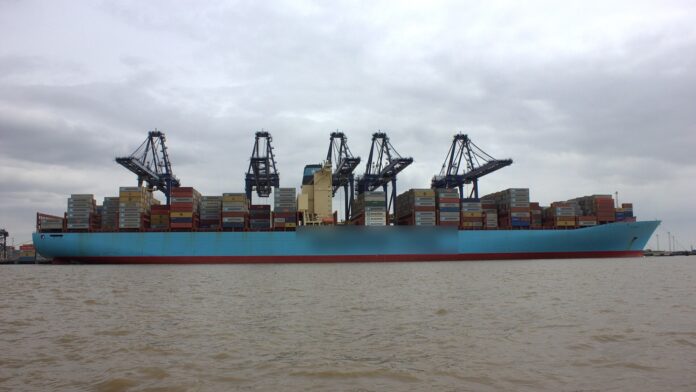
Sources: UK Department for Transport consultation “UK maritime fuel regulation: reducing shipping sector emissions” (gov.uk, 16 November 2026); gCaptain (16 November 2026); LexisNexis Legal News (16 November 2026). Photo: illustrative, a container ship at the Port of Felixstowe; Robert Eva / Wikimedia Commons (geograph.org.uk), CC BY-SA 2.0.