





Yemen’s Houthis have told shipping companies to move their vessels out of Saudi Arabia’s Red Sea ports, after the Saudi-led coalition said it struck the Houthi-held port of Hodeidah on 20 November.


What happened
- The Saudi-led coalition said it targeted “operational capabilities” at Hodeidah port that it claims were used to smuggle and move weapons and ballistic missiles. It had warned civilians to leave parts of the port before the strikes.
- Houthi military spokesman Yahya Saree threatened Jeddah port and “all Saudi ports on the Red Sea coast”, and urged shipping companies to “immediately evacuate their ships” from them. He also told workers near the ports to leave.
- He told airlines to avoid Saudi airspace, except the areas near Mecca and Medina.
- The Houthis later said they struck the Al-Shuqaiq power station and a port in Jazan, in southern Saudi Arabia. The coalition said its air defences intercepted two ballistic missiles over the Jazan region and that debris fell in Al-Shuqaiq.
Impact on shipping so far
Reports so far do not show attacks on merchant ships or confirmed disruption at Saudi Red Sea ports. Yemen’s information minister said Hodeidah port remains fully operational and the flow of goods will continue. Houthi-run media reported 41 deaths from coalition strikes over 24 hours; the figures could not be independently verified.
The warning comes as traffic through the Red Sea and the Suez Canal had been recovering, with no attacks on ships in the area reported since late August. Ship operators and crews trading in the Red Sea should follow the latest advisories from UKMTO and the Joint Maritime Information Center (JMIC).
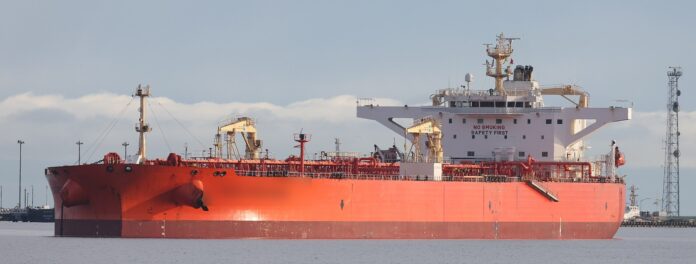
Sources: Al Jazeera, 20 November 2026; Reuters via MarineLink, 20 November 2026; Dawn (agencies), 21 November 2026. Photo: representative image of a tanker; Jordanroderick / Wikimedia Commons, CC0, ship name blurred.