

Liquefied natural gas (LNG) loadings at Qatar’s Ras Laffan export complex have picked up in November but are still running at only about half of their pre-war pace, according to a Bloomberg report republished by gCaptain on 10 November.
Based on Bloomberg, Kpler and Copernicus data, loadings at Ras Laffan ranged between 13 and 15 on a 10-day moving average so far this month, slightly up from about 11 in October.
Eleven laden Qatari LNG tankers left the Strait of Hormuz in the 10 days to 8 November, according to Bloomberg and Kpler figures, and the exit rate has stayed broadly steady over the past month. The report cautions that loading and transit figures often differ because both rely on hard-to-verify data and most ships are not broadcasting their positions.
Hormuz risk remains
The US-Iran war, which began in February, is now in its ninth month, and ships passing through Hormuz are still coming under attack. One Qatari LNG tanker was attacked in late October, but the report says this did not visibly cut exports or transits. QatarEnergy, which operates Ras Laffan, did not immediately respond to a request for comment.
European gas prices have eased from their late-October highs but remain more than double their pre-conflict level, the report said.
Why it matters for Bangladesh
Qatar is one of Bangladesh’s main long-term LNG suppliers, and imported LNG is delivered by sea to the country’s floating terminals off Moheshkhali. Any change in Ras Laffan loadings and Hormuz transits therefore bears directly on Bangladesh’s gas supply. Earlier this week, we reported that QatarEnergy will deliver only 65% of contracted LNG cargoes to Bangladesh in 2027.
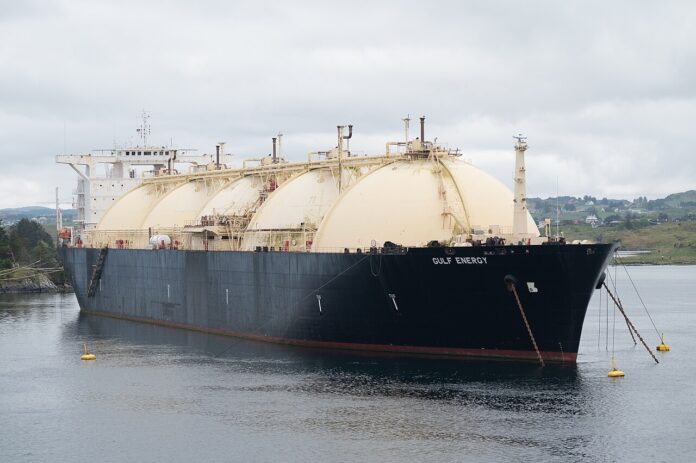
Source: Bloomberg via gCaptain. Photo: representative image of an LNG carrier, not a vessel named in this story.