





The Port of Hamburg is testing artificial intelligence to plan dockworker shifts, under a research project called PortConnect. The partners presented their progress at a project meeting in Hamburg on 19 November, according to a Port of Hamburg release published by Hellenic Shipping News and a report by Smart Maritime Network on 20 November.


The system is being developed by GHB, the port’s central labour pool company, together with terminal operators HHLA and Eurogate, the research institute Fraunhofer CML and software firm p.l.i. solutions. Associated partners include the Hamburg Vessel Coordination Center (HVCC), the ver.di trade union and the Hamburg Port Business Association.
Three tools in testing
- An AI-based forecast of how many workers port operations will need
- A digital system for ordering staff
- An optimisation model that gives dispatchers AI-assisted proposals for allocating shifts
Port companies should be able to see staffing needs earlier and coordinate more easily with GHB. For dockworkers, the aim is more predictable shifts and a fairer, more transparent allocation process. The partners are also working on a digital shift marketplace and a data dashboard for port-wide workforce planning.
The partners noted that successful implementation depends not only on technical feasibility. Neither report gave a timeline or funding figure.
Why it matters
Ports worldwide are turning to digital tools to manage labour and cut waiting times. In Bangladesh, the government has also introduced new rules requiring Chattogram port operators to win competitive tenders.
Sources: Port of Hamburg (via Hellenic Shipping News, 20 November 2026); Smart Maritime Network (20 November 2026).
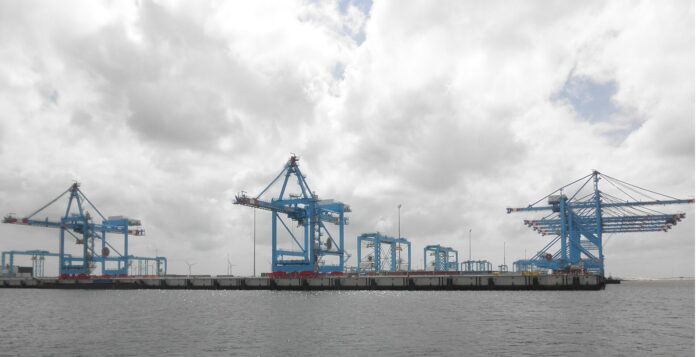
Photo: Zandcee / Wikimedia Commons, CC BY-SA 3.0 (representative image of a container terminal in Rotterdam; not Hamburg).