



Marine insurer The Swedish Club has told its members to avoid the Strait of Hormuz unless a transit is operationally essential, after four more merchant ships were reported hit by projectiles on 22 November. The Club said in an operational update on 24 November that security in the region has “deteriorated further” since its previous alert on 19 October.


Four more ships hit
Three tankers were struck by unidentified projectiles while sailing eastbound through the strait on 22 November, and a bulk carrier at anchor off Khor Fakkan in the UAE was also hit and caught fire, gCaptain reported, citing UK Maritime Trade Operations (UKMTO) warnings. All crew on the three tankers were accounted for and the ships continued their voyages; no casualties were reported on the bulk carrier. The vessels have not been named, and damage and any environmental impact are not yet known.
According to gCaptain, the Joint Maritime Information Center (JMIC) had counted seven tankers struck in the strait since 16 November; with the three new strikes, that makes 10 tanker strikes in a week. JMIC rates the threat level in the strait as severe and says further deliberate attacks are “highly likely”. Iran has claimed that tankers hit naval mines, but this has not been independently confirmed.
Tugboats added to Iran’s list
Iran’s Persian Gulf Strait Authority has added 26 tugboats to its list of “non-compliant” vessels, saying they served ships that broke its restrictions, gCaptain reported. Analysts at Orbital Risk Intelligence said the list could rise to 266 vessels with the new additions. The Swedish Club noted that this list is not the same as EU, UK or US sanctions, but may still bring security, detention and disruption risks.
What the insurer advises
The Swedish Club said that if a voyage cannot be deferred, owners should carry out a fresh, voyage-specific risk assessment, check war-risk cover and charterparty terms, screen counterparties, register with UKMTO, monitor VHF Channel 16, and prepare bridge teams for a complete loss of GNSS signals because of ongoing jamming and spoofing. It warned that earlier successful transits by other ships should not be taken as proof that the next one will be safe, and that crew fatigue during long periods on high alert is a major risk.
Traffic and toll
JMIC recorded 114 US-facilitated transits between 19 and 21 November, about 38 a day, compared with a 2025 average of about 138 daily transits, and about 218 commercial ships were waiting at anchorages east of the strait, gCaptain reported. The IMO had confirmed 141 incidents in the Strait of Hormuz and wider Middle East and 25 seafarer deaths as of 23 November. The IMO and JMIC counts use different scopes and are not directly comparable.
For Bangladesh, which buys crude oil and LNG from Gulf suppliers, the advice is a reminder of the risks facing crews and cargoes on this route.
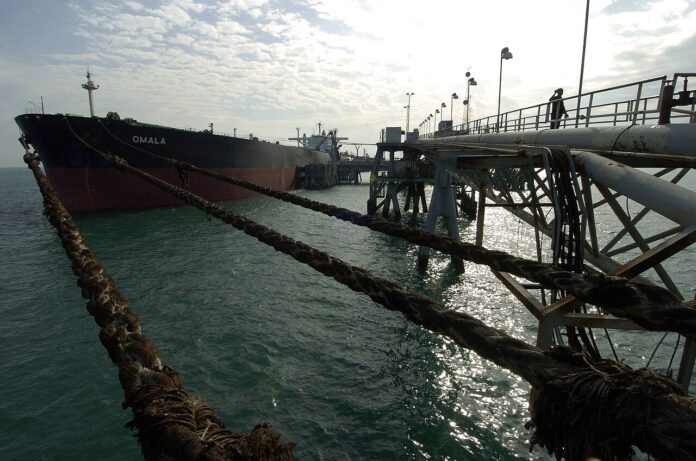
Sources: The Swedish Club operational update (24 November 2026); gCaptain (24 November 2026), citing UKMTO, JMIC, IMO and Orbital Risk Intelligence. Photo: representative file photo (US Navy, public domain).