The European Union adopted a new round of sanctions on 16 November, listing 12 individuals and 101 entities as it tries to limit Russia’s ability to finance its war against Ukraine. Alongside nearly 50 Russian banks and financial institutions, the package goes after the people and companies that own, manage, insure and finance tankers in Russia’s so-called shadow fleet.
Who is on the list
- Owners and managers: businesspeople who own or manage vessels already under EU restrictions. gCaptain reported that these include Russian nationals Igor Konfino and Daniil Mosin, named by the EU as managers of White Agate Marine, Citrine Marine and Serpentine Marine.
- Oil traders and ship managers: companies from the United Arab Emirates, China, Seychelles and Oman involved in trading or carrying Russian oil. gCaptain named Dubai-based Lidoil DMCC, Spikoil DMCC, Lynx Ship Management, Stalwart Shipmanagement, Grace Shipmanagement and Greenlight Shipmanagement.
- Insurance and finance: Moscow-based Balance Insurance, which the EU says insured the previously sanctioned tanker GARUDA, and Lead Capital, which the EU says helped raise financing for the tanker network (gCaptain).
- Infrastructure: the operator of the St. Petersburg oil terminal, along with other energy companies.
What the sanctions mean
Listed individuals and entities face an asset freeze, and EU citizens and companies may not make funds or economic resources available to them. Listed individuals are also banned from entering the EU, according to the Council statement as reported by Interfax-Ukraine and Xinhua.
Why it matters for shipping
Instead of only blacklisting individual tankers, the EU is now targeting the services that keep them trading, such as management, insurance and finance.
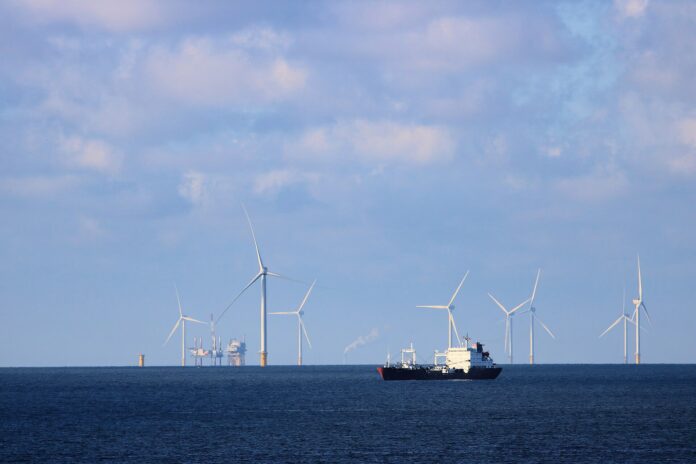
Sources: gCaptain (16 November 2026); Interfax-Ukraine and Xinhua (16 November 2026), reporting the Council of the EU statement. Photo: file photo of a tanker at sea, ImagePerson / Wikimedia Commons, CC BY 4.0.