





Seaborne trade will not grow at all in 2026, the UN Conference on Trade and Development (UNCTAD) projects in its Review of Maritime Transport 2026, released in Geneva on 26 November. Disruptions on key routes and chokepoints and trade uncertainty are holding volumes flat.


The key numbers
According to UNCTAD’s press release, maritime trade reached 12.3 billion tonnes in 2025, growth of 1.9% (down from 3.9% in 2024). Growth is projected at zero in 2026, recovering to 3.2% in 2027. Containerised trade could still grow 3.3% in 2026, and because ships are sailing longer routes, demand measured in tonne-miles is expected to rise 1.5% even without any growth in volume.
Hormuz and the Red Sea
The report says traffic through the Strait of Hormuz fell sharply after the Middle East conflict began in late February. Around 120 ships a day used to transit the strait; in early March, transits measured in gross tonnage dropped by about 95%, and more than 20,000 seafarers were initially stranded in the Persian Gulf. Instability in the Red Sea means many ships still sail around the Cape of Good Hope. Container spot rates more than doubled between January and August 2026.
Why it matters for Bangladesh and other LDCs
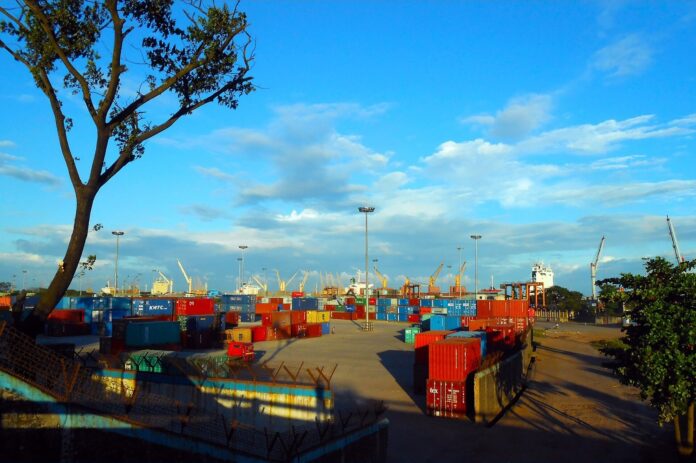
UNCTAD estimates that if ship fuel costs stay 70–80% above January–February levels, consumer prices would rise 0.19% worldwide, 0.27% in small island developing states and 0.35% in least developed countries (LDCs), which have weaker shipping connections, fewer alternative import sources and less capacity to absorb higher costs. Countries that depend on imported food and fuel are the most exposed. Bangladesh, which handles most of its foreign trade through Chattogram port, imports much of its fuel and food by sea. For how the global container unit works, see our Bangla explainer What is a TEU.
The world fleet grew 3.5% in 2025, but 42% of ships are more than 20 years old. UNCTAD urges countries to plan alternative routes and logistics before disruptions hit and to invest in climate-resilient ports and digital systems.
Source: UNCTAD press release UNCTAD/PRESS/PR/2026/020 (26 November 2026), unctad.org.