

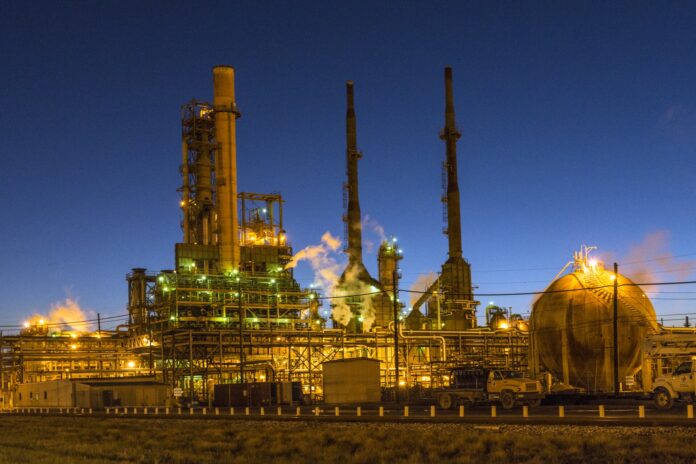
Soaring tanker freight costs linked to the Middle East conflict are giving US Gulf Coast refiners an edge over Asian competitors, Reuters reported. Disruption around the Strait of Hormuz has cut tanker traffic, while war-risk insurance premiums and longer voyages have pushed up shipping costs.
Freight for crude from the US Gulf Coast to Asia has risen to $30–35 a barrel, from about $5 a year earlier. US refining margins more than doubled in the third quarter.
Cheap heavy crude at home, costly freight abroad
Heavy crude from Canada and Venezuela is plentiful, and Canadian grades such as Western Canadian Select (WCS) are trading at a wider discount to WTI. That lowers feedstock costs for Gulf Coast refiners — more than 70% of whose facilities are configured to run heavier crude — while Asian rivals pay more in freight and insurance to import similar grades. About one-fifth of global oil and LNG supplies used to pass through the Strait of Hormuz.
- Valero Energy: Randy Hawkins, vice president for crude and feedstocks supply and trading, said freight is the main story in the market. Chief operating officer Gary Simmons said higher freight gives Valero an edge in Latin American export markets, where it competes mainly with European barrels.
- Phillips 66: Executive vice president Brian Mandell said every $1 widening in the WCS–WTI spread is worth about $140 million. The company had secured more than 40 time-chartered vessels before the conflict, covering about 40% of its asset-based shipping needs.
- Marathon Petroleum: Expects record Canadian heavy crude runs in the fourth quarter; CEO Maryann Mannen said margins should stay elevated at least until mid-2027.
- HF Sinclair: Expects differentials to stay wide at least through 2027.
- PBF and Suncor: Also chartered fleets before the war, shielding them from spot-rate spikes.
Delia He, an analyst at Arrow Shipping, estimated that diesel margins have grown at least eightfold for each extra dollar of freight.
Higher freight and insurance costs from the Gulf crisis are also hitting importers such as Bangladesh. Read more: QatarEnergy to deliver only 65% of contracted LNG cargoes to Bangladesh in 2027 and Bangladesh fruit export earnings plunge 76% as freight costs soar.
Source: Reuters via Baird Maritime, 6 November 2026.