

Bangladesh’s earnings from fruit exports fell 76% year on year in the first quarter of FY2026-27, as shipping disruptions linked to the Strait of Hormuz crisis combined with long-standing gaps in traceability, cold storage and compliance with importing countries’ plant-health rules.
Fruit exports earned $7.38 million in July–September, down from $30.86 million in the same period a year earlier, according to Export Promotion Bureau (EPB) data.
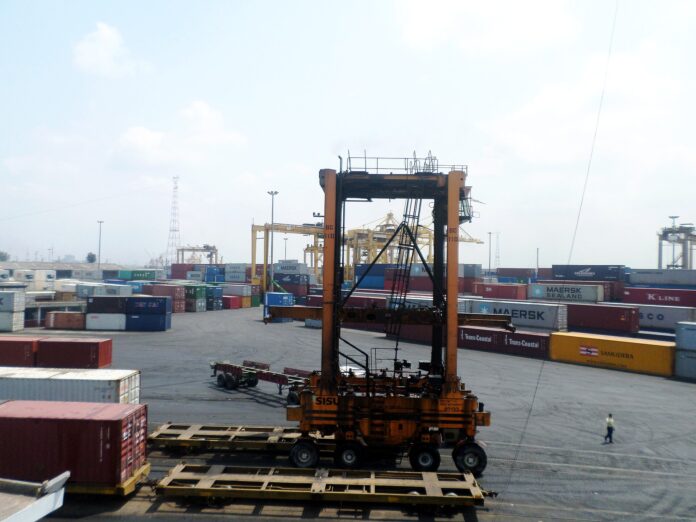
Freight costs more than tripled
An official at the Plant Quarantine Wing of the Department of Agricultural Extension (DAE), speaking anonymously, said disruptions linked to the Strait of Hormuz crisis had hit sea shipments and export volumes.
Mangoes and jackfruits are among the main fruit exports to the European Union, the United Kingdom and Middle Eastern markets such as the UAE and Saudi Arabia. Hafizur Rahman, a fruit exporter and member of the Bangladesh Fruits, Vegetables and Allied Products Exporters Association, said soaring freight costs were making those markets harder to serve.
Onup Das, director of exporter Alexa Trading Corporation, said shipping costs had jumped from $2,000–2,200 to $7,000–8,000. Air freight offers little relief because of limited cargo space and irregular flights, he said, and shipments of tender coconuts to Oman and cabbage to the Maldives are currently held up by shipping complications.
Cold chain, treatment and testing gaps
Exporters and researchers also point to weak farm records, a lack of contract farming, few collection centres and packing houses, and a poor cold chain between farms and the central packing house at Shyampur in Dhaka. Md Mahbubul Alam Shakib, a lecturer at Hajee Mohammad Danesh Science and Technology University, recommended more contract farming, a simple Bangla digital system for recording pesticide and fertiliser use, and packing houses and treatment facilities near growing areas such as Rajshahi and Chapainawabganj.
Exporters say more vapour heat treatment (VHT) and hot water treatment (HWT) capacity is needed to reach major markets. A DAE official said the VHT centre at Gabtoli, opened in July 2026, offers treatment, quarantine and other export services, and that a one-stop service has been announced to bring treatment, packaging and quarantine clearance under one roof. The government has also announced temperature-controlled short-term storage at the airport, especially for mangoes, and plans for thousands of mini cold stores nationwide.
High laboratory testing costs and import duties on carton-making materials add to exporters’ costs, Hafizur said.
Freight shocks from the Gulf have hit other Bangladeshi trades too. Read more: QatarEnergy to deliver only 65% of contracted LNG cargoes to Bangladesh in 2027.
Source: The Business Standard, 7 November 2026.