

In Depth: this feature brings together published reports and official statements, listed under Sources. Sections marked “Analysis” are Maritime News BD’s interpretation and are not reported facts.
The size of the bill
Bangladesh spends up to 16 per cent of GDP moving goods from factories to customers, against a global average of about 10 per cent, World Bank senior transport specialist Nusrat Nahid Babi said at a roundtable reported by The Daily Star in August 2025. She attributed 35 to 54 per cent of logistics costs to inefficient transport and said more than 62 regulatory bottlenecks had been identified, many solvable by coordination: “Enough has been discussed. What is needed now is execution.”
Where time is lost
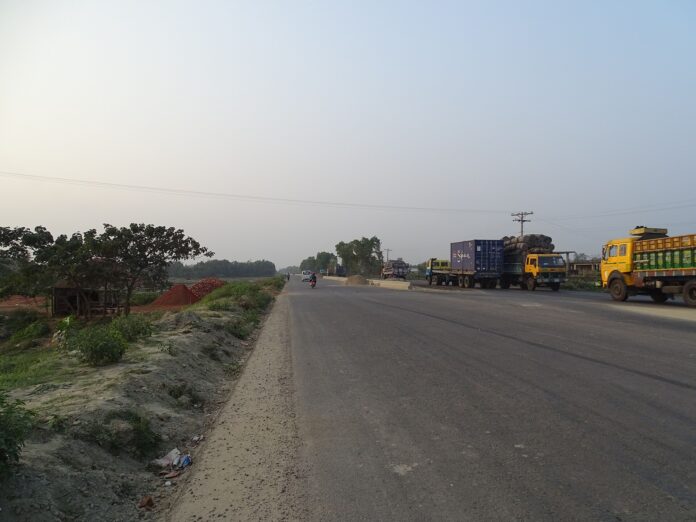
At a Dhaka Chamber roundtable in May 2026, keynote speaker Masrur Reaz of Policy Exchange Bangladesh said a 25 per cent cut in logistics costs could raise exports by 20 per cent, The Financial Express reported. Former Chittagong Port Authority member Md Habibur Rahman argued that rail is the only viable long-term option for the Dhaka-Chattogram corridor because the highway has little room to widen. A steel industry executive said businesses avoid the Pangaon river terminal because it lacks adequate scanning, and the ADB said it is developing a Dhirasram inland container depot and multimodal hub. At an October 2026 seminar, IUB trustee Javed Hosein said unloading a 21,000-tonne fuel tanker takes three to five days in Bangladesh against four to five hours in Singapore, attributing delays mainly to corruption, The Business Standard reported. The NBR’s own 2026 study put average import clearance at Chattogram at 13.2 days.
Policy so far
In August 2025 the shipping ministry’s senior secretary said a national logistics policy identifying 62 coordination challenges would be finalised within a month, and that the Bay Terminal was advancing with World Bank finance for its breakwater. Ship owners’ leader Azam J Chowdhury said the private maritime sector felt neglected: “We operate 100 percent of the industry, yet we are ignored.”
Analysis
The figures quoted come from different sources and methods and are not directly comparable, but they point the same way: time lost in clearance, transport and handoffs between agencies costs more than any single tariff. New terminals at Laldia, the Bay Terminal and Matarbari add capacity; the evidence from these discussions is that rail links, digital clearance and coordination between agencies will decide whether that capacity translates into lower costs for exporters.
Source
- The Daily Star: “Logistics costs eat up 16% of GDP” (17 August 2025)
- The Financial Express: “Poor logistics, weak coordination dent export competitiveness” (10 May 2026)
- The Business Standard (UNB): “Bangladesh must tap marine resources to achieve $1 trillion economy by 2034: Saki” (12 October 2026)
- The Daily Star: “Ctg port clearance slows as post-declaration delays double” (23 October 2026)
File photo: the Dhaka-Chattogram highway (N1). Photo: Tanvir Rahman • Personal Website / CC BY-SA 4.0, via Wikimedia Commons
This article was prepared by Maritime News BD from the report(s) and documents listed above; it was not independently reported by Maritime News BD.